


Climate Finance’s Next Chapter: Building Resilient Homes and Communities
As we look around the country today, it is clear that there is another side of the climate equation that can no longer be ignored.
By Terri Mickelsen, CEO, Clean Energy Credit Union
For more than a decade, climate finance has largely focused on one side of the challenge: reducing emissions. At Clean Energy Credit Union, that has meant helping members install solar, electrify their homes, improve energy efficiency, and transition to cleaner technologies.
But as we look around the country today, it is clear that there is another side of the climate equation that can no longer be ignored.
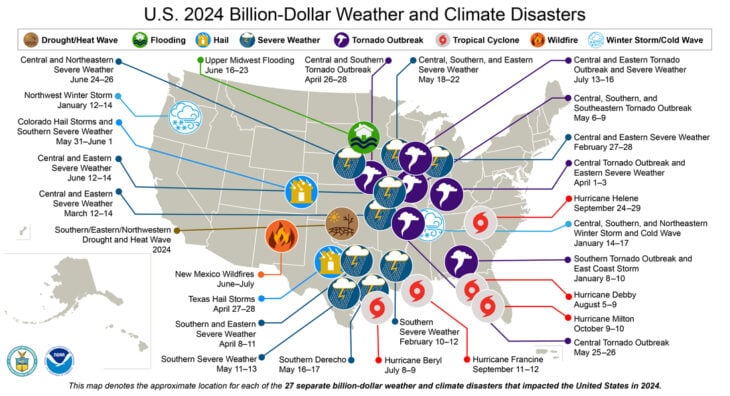
Communities are experiencing more frequent and costly climate-related disasters, including wildfires, floods, hurricanes, severe storms, and extreme weather events. The economic impact has been measured in the hundreds of billions of dollars annually, with billions in damages occurring across virtually every region of the country.
If climate finance has traditionally focused on mitigation, perhaps its next chapter must also focus on adaptation and resilience.
A Natural Extension of Our Mission
We believe helping homeowners prepare for and recover from climate-related disasters is a natural extension of our mission to protect our planet and support the communities we serve.
Climate action is not just about reducing future emissions. It is also about helping families navigate the physical impacts of climate change that are already affecting homes, neighborhoods, and local economies.
That means asking new questions:
- How can lenders help homeowners harden their homes before disaster strikes?
- How can families rebuild stronger and more efficient homes after a wildfire, flood, or hurricane?
- How can financing be used to reduce future losses, lower energy costs and improve resilience?
- How can we help keep insurance available and affordable in at-risk communities?
- These are not just environmental questions. They are financial questions, housing questions, and community resilience questions.
From Recovery to Resilience
Too often, after a disaster, homeowners face a difficult reality. Insurance proceeds may not fully cover rebuilding costs. New building codes may increase expenses. Resilience improvements that could reduce future risk are often left out because there is no financing available.
What if recovery financing were designed differently?
What if every rebuilding project became an opportunity to incorporate fire-resistant materials, flood mitigation measures, storm-hardening improvements, energy resilience, or other upgrades that better prepare a home for the next event?
Rather than simply replacing what was lost, communities could rebuild stronger, safer, and more resilient.
The Missing Partner: Insurance
We also believe there is an opportunity for greater collaboration between lenders and insurance providers.
Across many regions, insurers are facing increasing losses from climate-related events, while homeowners are confronted with higher premiums, coverage restrictions, and, in some cases, the loss of coverage altogether.
Could financing for resilience improvements help lower risk profiles over time?
Could partnerships between lenders, insurers, contractors, and community organizations help make hardening projects more affordable and scalable?
Could we create pathways that help insurers remain active in communities that are becoming increasingly vulnerable to climate-related disasters?
These are questions worth exploring.
Expanding the Definition of Climate Finance
When most people hear the phrase “climate finance,” they think of solar panels and electric vehicles.
We still believe deeply in those solutions.
But perhaps climate finance should also include helping a family elevate a home in a flood-prone area. Helping a homeowner install fire-resistant roofing materials. Helping a community recover after a hurricane. Helping people access affordable financing that makes resilience possible before the next disaster arrives.
Climate resilience and climate mitigation are not competing priorities. They are complementary strategies.
One reduces future climate impacts.
The other helps communities survive and adapt to the impacts occurring today.
Both are essential.
We Want Your Perspective
At Clean Energy Credit Union, we are exploring what a broader climate resiliency approach could look like and whether there is a meaningful role for mission-driven financial institutions to play.
The climate challenge is evolving.
Perhaps climate finance should evolve with it. The conversation is just beginning, and we’d love to hear your thoughts.