


Webinar Recording
Safeguard Your Energy Bill:
How to get ahead of rising costs before they hit harder
Safeguard Your Energy Bill: Webinar Recording, Slides & Q&A
Electricity costs are rising, and understanding what’s driving those increases can help you make more informed decisions about your home’s energy use.
On October 29, 2026, Clean Energy Credit Union partnered with the Midwest Renewable Energy Association (MREA) for Safeguard Your Energy Bill: How to Get Ahead of Rising Costs Before They Hit Harder. During this webinar, energy experts Nick Hylla and Garrett Chappell explored the forces shaping electricity prices and discussed practical ways households can prepare for higher energy costs.
Whether you attended the live webinar or are discovering it for the first time, you can watch the recording, review the presentation slides, and explore answers to the questions raised during the event.
Key Takeaways: How to Safeguard Your Energy Bill

Understand what’s driving electricity costs
Electricity prices are influenced by more than the cost of generating power. Grid infrastructure, equipment and construction costs, fuel prices, growing electricity demand, and utility rate decisions can all affect what households pay.

Explore energy efficiency before and alongside larger upgrades
Improving your home’s energy efficiency can help reduce electricity use. Depending on your home and circumstances, potential steps include upgrading lighting, improving insulation, and considering more efficient heating and cooling equipment.
Consider solar energy and battery storage
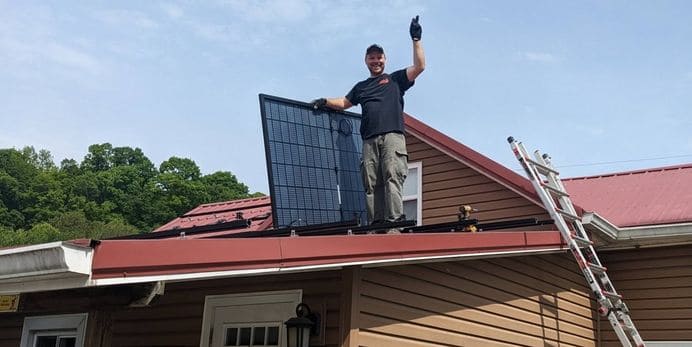
Solar panels can help households generate their own electricity and reduce the amount they purchase from the utility. Battery storage can provide additional flexibility by storing electricity for later use, including during periods when utility electricity is more expensive.
Questions & Answers from the Webinar
The questions below were addressed during the live discussion with Nick Hylla of the Midwest Renewable Energy Association and Garrett Chappell of Clean Energy Credit Union. Answers have been edited for clarity and readability.
Start by looking for established local solar installers with a track record in your area. A reputable contractor should be able to provide information about their team, credentials, electrical licensing, and customer references.
It’s also important to get multiple proposals so you can compare the equipment, system size, contract terms, and total cost. Look closely at the cost per watt, which helps you compare the price of different solar installations. Be cautious of proposals that emphasize low upfront costs or promised savings without clearly explaining the full system cost, financing structure, and fees.
You can also ask your lender whether it has a vetted installer network. Clean Energy Credit Union has a Registered Dealer network, which can be a starting point when researching solar contractors.
Renters may have less control over major improvements to a home, but there are still practical steps you can take.
- Switch to LED lighting. Replacing less-efficient bulbs with LEDs is a straightforward way to reduce lighting energy use.
- Reduce standby electricity use. Plugging electronics into power strips and switching them off when they’re not in use can help limit unnecessary energy consumption.
- Explore portable solar options. Depending on local rules and your living situation, portable solar and battery systems may offer a way to use solar energy without installing rooftop panels.
- Research local incentives. Check with your municipality to see whether it has a sustainability office or staff who can point you toward relevant programs and resources.
- Use renter-specific resources. Rewiring America offers resources that can help renters explore potential energy-saving opportunities.
Before making changes to a rental property, check your lease and discuss any necessary installations with your landlord.
Plug-in solar is an emerging option that could make solar energy more accessible to people who cannot install traditional rooftop systems. However, the rules for connecting these systems to household electrical circuits vary by state and continue to evolve.
During the webinar, Garrett Chappell discussed growing legislative interest in plug-in solar, while Nick Hylla clarified an important distinction: portable solar panels connected to a battery power station can be used to charge devices directly. Connecting a system to a household outlet so it supplies electricity to household circuits is a different matter and may be subject to additional rules.
If you’re interested in plug-in or balcony solar, check your state’s current requirements and consult the appropriate utility or local authority before connecting a system to your home’s wiring.
The best place to start is by researching incentives available in your state and locality. During the webinar, Garrett recommended Rewiring America and the Database of State Incentives for Renewables & Efficiency (DSIRE) as resources for investigating potential programs.
Nick Hylla also encouraged homeowners to compare geothermal systems with air-source heat pumps. Depending on the property, an air-source heat pump may offer lower installation costs, lower operating costs, more widely available incentives, and greater installation flexibility.
The right solution depends on your home, climate, existing heating system, project cost, and available incentives. Compare the options before deciding which technology makes the most sense for your circumstances.
Battery storage may increase the value and flexibility of an existing solar installation, but the benefits depend on your utility’s rates, available programs, and how you use electricity.
During the webinar, Nick outlined three potential benefits of battery storage:
- Managing time-of-use electricity rates. If your utility charges different rates at different times, a battery may allow you to store lower-cost electricity and use it during more expensive periods.
- Participating in utility programs. Some utilities offer incentives for customers who install batteries and allow the utility to draw on stored energy during periods of high demand.
- Participating in grid-service programs. In certain areas, virtual power plants and distributed energy programs aggregate household batteries to help support the electricity grid and may compensate participants.
Going completely off-grid could eliminate your regular connection to utility infrastructure, but it also means taking responsibility for your own electricity supply and reliability. That can require additional equipment, storage capacity, planning, and maintenance. As Nick emphasized, going off-grid is technically possible, but it may not make economic sense for every household.
Before investing in a battery or considering an off-grid system, review your utility’s rate structure, export compensation, available battery incentives, and your household’s backup power needs.
Nick Hylla and Garrett Chappell acknowledged the real challenges facing the electricity system while pointing to opportunities for progress.
Nick highlighted the growing number of people, communities, businesses, and local leaders taking action on clean energy. He described a changing energy system in which households and communities can increasingly generate their own electricity, support the grid, and potentially benefit from the energy resources they invest in.
Garrett emphasized balancing an honest understanding of the challenges with a focus on what individuals can influence. Improving energy efficiency, exploring solar, and considering other home energy upgrades are practical ways households can take action.
The takeaway: Although no household can control every factor affecting electricity prices, understanding your options and taking steps that fit your circumstances can help you prepare for the future.
Meet Our Speakers

Nick Hylla

Garrett Chappell
Continue Exploring Your Clean Energy Options
Explore Clean Energy Credit Union’s resources to learn more about financing eligible clean energy and home improvement projects.